Brake pads are designed to wear out. That's their job: every time you slow down, a little of the pad's friction material is turned into heat and dust. The question isn't whether your pads will need replacing, but whether you'll catch it before they start damaging the discs, or worse, before they stop working properly when you need them most.
The good news is that you don't need a garage to spot most of the warning signs. Here's what to look and listen for, and how to check your pads yourself in a few minutes.
Why brake pads matter more than you think
A brake pad is a steel backing plate with a block of friction material bonded to it. When you press the pedal, hydraulic pressure squeezes the pads against the spinning brake disc. When the friction material wears thin, three things happen:
- Stopping distances get longer, because there's less material to absorb heat, especially going downhill or carrying a load.
- The metal backing plate starts touching the disc. Metal-on-metal grinding scores the disc, turning a pad job into a pads-and-discs job.
- Heat builds up faster, which can boil old brake fluid and make the pedal feel soft.
7 warning signs your brake pads need replacing
- A high-pitched squeal when braking. Many pads have a small metal wear indicator that squeals when the pad is nearly worn. It's designed to annoy you into acting.
- Grinding or growling. This usually means the friction material is gone and metal is touching metal. Stop driving as soon as it's safe and get it checked.
- The car pulls to one side under braking. Uneven pad wear, a sticking caliper or a leaking seal can all cause this.
- Vibration or judder through the pedal or steering. Often a sign of warped or unevenly worn discs. These can often be skimmed rather than replaced.
- A soft or spongy pedal. This points to air or moisture in the brake fluid, or a leak. It's not a pad issue on its own but it is urgent.
- The pedal travels further than it used to. Worn pads and low fluid both make the pedal go closer to the floor.
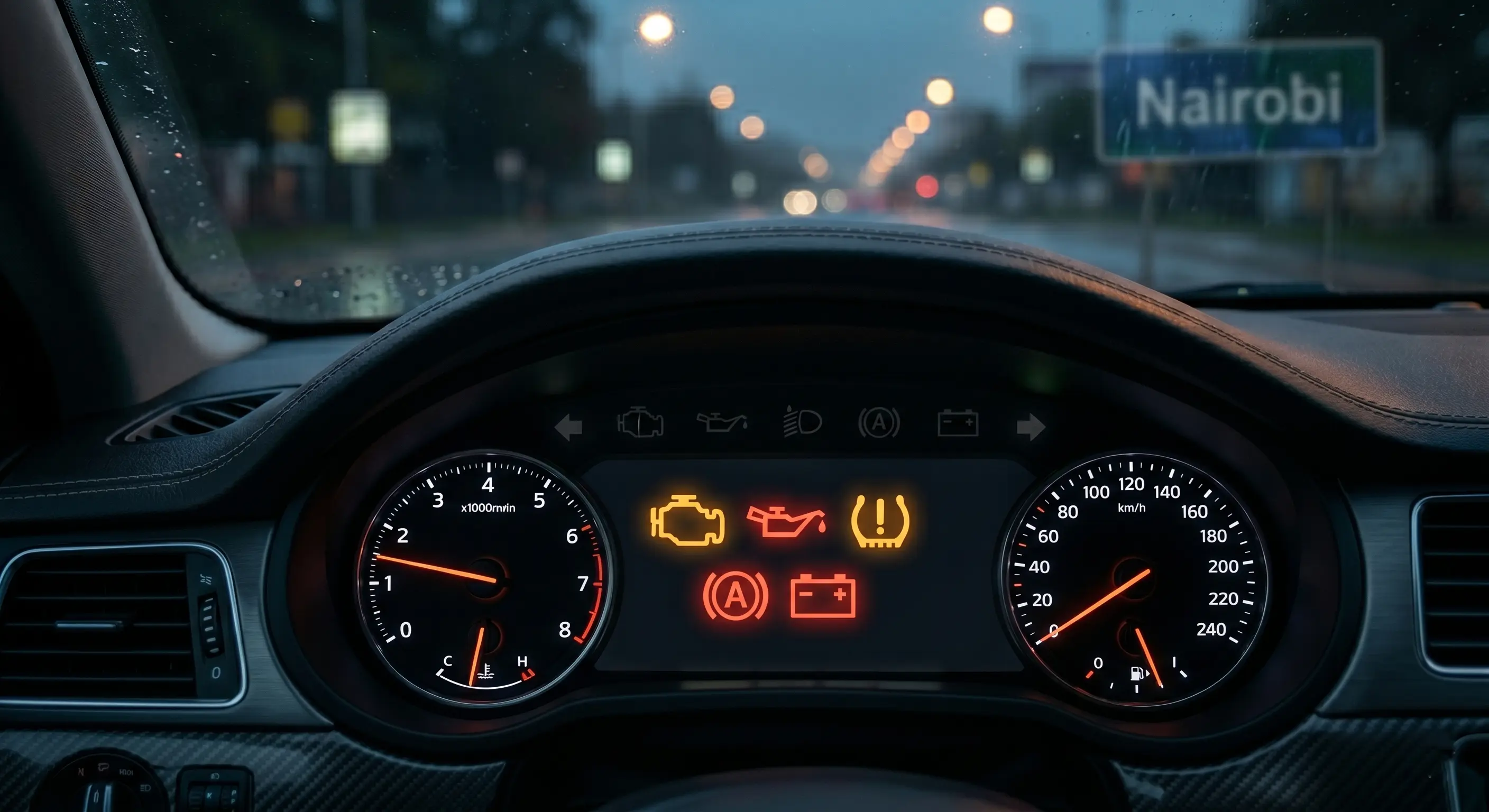
- A brake warning light. Some vehicles have pad-wear sensors; on others the light means low fluid, which often follows pad wear.
How to check your brake pads yourself
On most cars and pickups with alloy or open-spoke wheels you can see the front pads without removing anything:
- Park on level ground, engage the handbrake and turn the steering to one side so the front wheel is angled out.
- Look through the wheel spokes at the brake caliper, the clamp that sits over the disc.
- Find the pad pressed against the disc. You're looking at the thickness of the friction material, not the steel plate behind it.
- If the friction material looks thinner than about 3 mm (roughly the thickness of two stacked coins) it's time to replace the pads.
- Run a finger carefully around the edge of the disc when it's cold. A pronounced lip or deep grooves mean the discs need attention too.
How long do brake pads last?
There's no single answer, because pad life depends on how and where you drive. As a rough guide, front pads on a passenger car or pickup often last somewhere between 20,000 and 50,000 km. You'll be at the lower end if you:
- Carry heavy loads or tow regularly
- Drive in hilly areas with long descents
- Do a lot of stop-start town driving
- Drive on muddy or dusty roads, where grit acts like sandpaper between pad and disc
Front pads almost always wear faster than rears, because the front brakes do most of the stopping work.
Pads, discs and fluid: replace the system, not just the part
When we replace pads at Isuzu Migori we also measure the discs, inspect the calipers and slide pins, and look at the brake fluid. New pads on a scored or warped disc won't bed in properly and will wear unevenly. Brake fluid absorbs moisture from the air over time, which lowers its boiling point, so most manufacturers recommend changing it every two years regardless of mileage.
Notes for Isuzu owners
- D-MAX pickups typically use disc brakes at the front and drum brakes at the rear. Rear shoes wear more slowly but need adjusting and inspecting at every major service.
- Loaded pickups and trucks wear brakes much faster. If your D-MAX or N-series truck regularly runs full, check pads every service rather than waiting for noises.
- Use quality pads. Genuine or reputable pads are formulated for the vehicle's weight and braking system. Cheap pads can glaze, fade under heat and eat discs.
Frequently asked questions
No. Pads should always be replaced in pairs on the same axle (both front wheels together), so braking stays balanced.
New pads need a bedding-in period of a few hundred kilometres. Persistent squealing after that can mean the pads weren't fitted with the right hardware or the discs needed skimming.
Not always. We measure disc thickness and check for scoring. Discs within specification can be reused or skimmed; worn or cracked discs must be replaced.
On most vehicles, front pad replacement takes about an hour, a little longer if the discs need skimming.
Want our technicians to take a look?
We check pads, discs and brake fluid at every service, and skim discs at our tyre and alignment centre. Book online in under a minute, or call a service advisor.